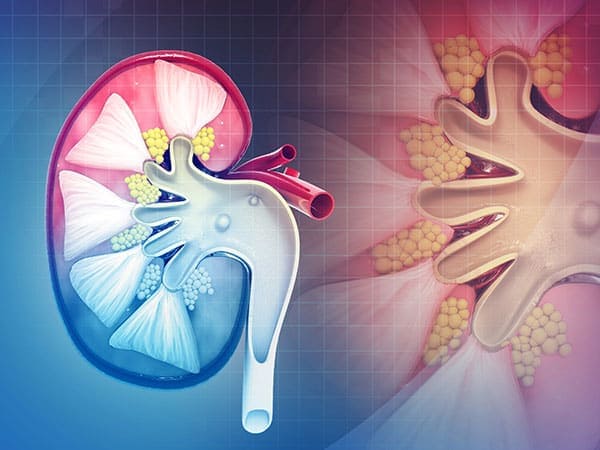
With rates of kidney stone disease on the rise in the developed world, effective treatment
options and management devices are more important than ever.
Kidney stone disease affects 10% of people between the ages of 20 and 60, with men twice as
susceptible to the condition as women. The rate of new cases is increasing in developed
countries. The main causes of kidney stone disease are poor diet and insufficient fluid intake.
It can also be caused by certain metabolic conditions.
The size of the stones – or calculi – can range from that of a grain of sand to several
centimeters, with the largest being coralliform stones. The main symptoms are hematuria, pain
and infection, with renal colic attacks common enough to represent 2% of admissions to emergency
units.
Small stones can be eliminated spontaneously by natural means. However, if the stone is not
eliminated within a reasonable length of time, or is still painful, surgery will be necessary.
The method of surgery depends on the size, location and nature of the stone.
After kidney stone treatment, it’s important to identify and treat the risk factors behind the
patient’s kidney stone disease. This is done by performing a metabolic assessment, which
involves analyzing the stone and conducting a dietary survey and biological examinations.